Early-bird 2025 offer: Small-business owners save 15% on business tax prep when you onboard by January 31.

Lease vs. Buy: Key Tax Implications for Businesses in 2025
2025 guide to leasing vs. buying business assets from a tax viewpoint
Tram Le, CPA
12/28/20253 min read
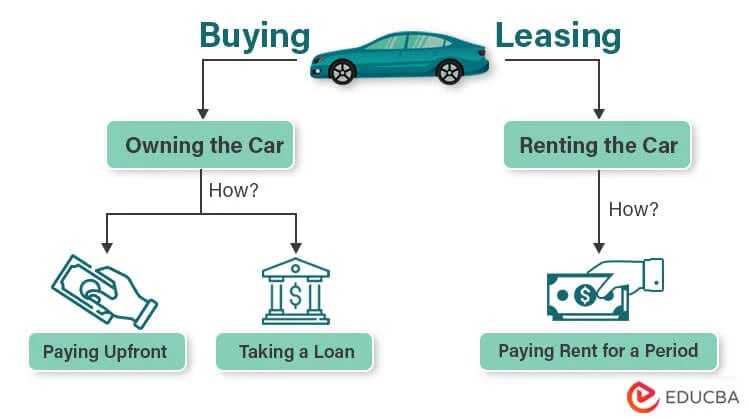
As a business owner, deciding whether to lease or buy assets like equipment, vehicles, or even real estate can significantly impact your bottom line—especially when taxes enter the equation. In 2025, with enhancements from the One Big Beautiful Bill Act (OBBBA), tax rules favor accelerated deductions for purchases, but leasing offers simplicity and steady expense write-offs. This article breaks down the tax implications of each option, helping you determine which aligns best with your cash flow, growth plans, and tax strategy.
Whether you're eyeing new machinery for your manufacturing firm or a fleet of vehicles for deliveries, understanding these tax nuances can save thousands. We'll compare key benefits, limitations, and scenarios, drawing on current IRS guidelines. Remember, tax laws are complex—consult a CPA for personalized advice.
Tax Benefits of Buying Business Assets
When you buy an asset outright (or finance it with a loan), you gain ownership, which unlocks powerful tax deductions through depreciation. Depreciation allows you to spread the cost over the asset's useful life, but 2025 rules let you accelerate much of that deduction upfront.
Key Tax Advantages:
- Section 179 Expensing: This provision lets you deduct up to $2,500,000 of the cost of qualifying property in the year it's placed in service. The phase-out starts when total qualifying purchases exceed $4,000,000. It's ideal for small to mid-sized businesses and applies to new or used equipment, vehicles (with limits), and certain improvements.
- 100% Bonus Depreciation: Thanks to OBBBA, you can deduct 100% of the cost for assets acquired and placed in service after January 19, 2025. There's no dollar limit, and it can create a net operating loss (NOL) to carry forward. This is a game-changer for heavy investments, like construction equipment or tech upgrades.
- Interest Deductions: If you finance the purchase, interest on the loan is generally deductible as a business expense. For vehicles, a new 2025 deduction allows interest on loans for qualified vehicles.
- Vehicle-Specific Rules: For business vehicles, first-year depreciation can be substantial. Heavy SUVs or trucks (over 6,000 lbs GVWR) qualify for full Section 179 or bonus depreciation, up to the full cost. Lighter passenger vehicles face luxury auto limits (e.g., $20,200 first-year depreciation plus bonus if applicable in 2025).
Buying builds equity and allows resale value, but it requires more upfront capital and ongoing depreciation tracking. If you plan to keep the asset long-term, the tax savings from accelerated deductions can outweigh the initial outlay.
Tax Benefits of Leasing Business Assets
Leasing shifts the focus from ownership to usage, treating payments as operational expenses rather than capital investments. This can simplify taxes and preserve cash for other needs.
Key Tax Advantages:
- Deductible Lease Payments: For operating leases (common for equipment and vehicles), you can deduct the full lease payments as business expenses in the year paid. No depreciation schedules needed—you simply expense them like rent.
- No Ownership Hassles: Since you don't own the asset, you avoid tracking depreciation or worrying about resale. This is advantageous for rapidly evolving tech or equipment prone to obsolescence.
- Vehicle Leases: Lease payments are deductible based on business use percentage. However, for luxury vehicles (over $62,000 in 2025), you must add back an "income inclusion" amount to prevent excessive deductions. Maintenance is often included, further reducing taxable income.
- Off-Balance Sheet Potential: Short-term leases may not appear as liabilities on your balance sheet, improving financial ratios for loans or investors.
Leasing provides predictable deductions and flexibility—upgrade at lease end without disposal headaches. It's often better for short-term needs or when cash is tight.
In 2025, buying often yields larger upfront tax savings due to bonus depreciation—potentially deducting 100% of a $500,000 machine in year one. Leasing, however, might edge out if you lack taxable income to fully utilize purchase deductions or prefer off-balance-sheet treatment.
Example Scenario: Buying vs. Leasing a $50,000 Business Vehicle
- Buy (with Loan): Deduct $50,000 via bonus depreciation (assuming qualifying). Plus interest on financing. Total first-year savings: Potentially $17,500 (at 35% tax rate).
- Lease: Deduct $12,000 in annual payments (e.g., $1,000/month). First-year savings: $4,200. But no equity buildup.
If you keep the vehicle 5+ years, buying wins tax-wise. For 2-3 years? Leasing may be preferable.
Factors Beyond Taxes
Taxes aren't everything—consider cash flow, interest rates, and asset lifespan. High interest rates in 2025 might favor leasing to avoid debt. Also, state taxes vary; some don't conform to federal bonus depreciation.
Conclusion
In 2025's tax landscape, buying assets often provides superior deductions through Section 179 and 100% bonus depreciation, making it ideal for growth-oriented businesses. Leasing shines for flexibility and simplicity, especially with uncertain needs. Run the numbers for your situation—tools like lease-vs-buy calculators can help. Ultimately, partner with a tax professional to optimize your choice and avoid pitfalls.
This article is for informational purposes only and not tax advice. Rules can change; verify with the IRS or a qualified advisor.